All posts by coleswildbird

Help Your Favorite Birds Get Through the Cold Winter Weather

Wild birds face a tougher time getting the food they need once the weather gets colder. In fact, some birds start “stashing” seeds before the winter comes.

You can help your feathered friends get prepared by offering them their favorite food packed with the nutrients they need.  While there are many varieties of sunflower seeds, Black Oil Sunflowers are the most nutritious. They are high in fiber and contain vitamin E, biotin, choline, thiamin, and zinc.  Most back yard birds love Black Oil Sunflower and actively seek it out when foraging at the feeder.

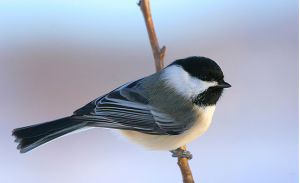
Black Oil Sunflower is a favorite because the seeds have a high shell-to-meat ratio with a soft, thin shell that’s easy to crack. Even small birds can easily eat them. They also contain a very high quality protein combined with a high fat content to provide a much needed instant energy source during the colder months. Chickadees and nuthatches are notorious for stashing away Black Oil Sunflower seeds so they can eat them later. In fact, during the winter, chickadees even grow additional brain cells so they can remember all their winter hiding places.

It’s good to be careful about which brand of Black Oil Sunflower you buy. Most of the highest quality seeds go into the production of sunflower oil for human consumption. This means the left over, low quality seeds – the ones with very little meat and oil – go into most of the wild bird seed products you see on the market. Usually, birds end up kicking these types of low quality seeds right out of the feeder.

Bucking the wild bird feeding industry trend, Cole’s sells only the highest-grade Black Oil Sunflower seed on the market. It is over 99% pure and cleaned more than four times to ensure you get more seed and fewer sticks. Chocked full of oil and loaded with vital nutrients, Cole’s Oil Sunflower is the best way to guarantee your feathered friends are getting the good quality they deserve when they need it the most. Click below to find out more.

October’s Bird of the Month: The Red-headed Woodpecker

You can’t miss them on your feeder. The strikingly beautiful Red-headed Woodpecker, which leaves for its winter habitat by late October, is the Cole’s Bird of the Month.

Adults are easy to spot because of their coloring – a bright red head and neck contrasting sharply with the black and white on their backs. Unlike many other bird species, the adult male and female both have vivid colors. Red-headed Woodpeckers are also known for their drumming, which helps them claim territory.

Red-headed Woodpeckers enjoy a diet of plants and insects. They catch bugs both on the ground and in-flight. They also forage for seeds, nuts, fruits and berries. Occasionally, they’ll even eat the eggs of other birds.

If you want to attract these beautiful birds to your backyard feeders, we have a few suggestions. Cole’s Special Feeder™, which contains a lot of pecans as well as raw peanuts, is a favorite of Red-headed Woodpeckers. Click the link below to find out more about Special Feeder™ and other Cole’s seed products.

https://coleswildbird.com/coles-products/seed-products/
Because the Red-headed Woodpecker craves protein and fat, they are naturally drawn to suet in all shapes and varieties. One of the best forms of suet for attracting the Red-headed Woodpecker is Suet Nuts™ which is nutritious peanuts covered with delicious berry flavored suet. Another great suet product for woodpeckers is the Special Feeder™ Suet Cake. Just like the Special Feeder™ bird seed blend, it contains loads of pecans and peanuts.  Below is a link to Cole’s suet products.

https://coleswildbird.com/coles-products/specialty-products/
The Red-headed Woodpecker, which is found in the eastern United States as well as in Canada, has a unique claim to fame. It adorned a two-cent U. S. postage stamp issued in 1996.

Tired of battling squirrels at your bird feeder?

It can be so disheartening to buy top quality wild bird feed, fill up your feeders, and then watch helplessly as the squirrels devour all the food without one bird even getting a chance to sit on a perch. It’s an age old problem and one that Cole’s began addressing years ago.  Because they love to feed the birds just like you, the Cole family began searching for an answer to the squirrel problem and came up with a winning solution known as Hot Meats™. This unique combination of whole kernel sunflower meats and super hot habanero chili peppers will knock the socks off those little varmints eating up all your bird seed.  While chili pepper does not bother the birds – in fact they do not even taste heat like mammals – it sure does affect the squirrels.

Hot Meats™ is a favorite among Cole’s customers. It gives the birds an easy, tasty, and nutritious snack and keeps the squirrels off the feeder to boot.  Since the chili peppers only taste hot to the squirrels and do not actually cause any physical harm whatsoever, it is a very safe and humane way to make your bird feeder exclusively for the birds. If you’ve been frustrated with squirrels eating your wild bird feed, give Hot Meats™ a try.


Want to attract a great variety of birds, including woodpeckers?

If you’re like most people, you love having a wide variety of wild birds at your feeder. Giving birds choices in their feed means you’ll get various types of birds coming to check out what’s in the feeder. A blend of seeds and nuts is most effective. Cole’s Special Feeder™ contains a mix of black oil sunflower, sunflower meats, black stripe sunflower, raw peanuts, safflower, and pecans. It’s the most popular blend of all the feeds Cole’s sells. The variety of sunflower seeds, the safflower, and the mix of peanuts and pecans provide a high-energy treat. Expect to see cardinals, finches, titmice, doves and grosbeaks. This is also a great mix for attracting woodpeckers. Woodpeckers especially love the pecans.

The eclectic mix of so many different types of sunflower seeds ensures birds get a wider variety of nutrition and flavor. For instance, black oil sunflower seeds are meatier and have a higher oil content than other sunflower seeds. Also black oil sunflower has a thinner shell which is easier for small birds to crack. The shelled sunflower meats are an easy, tasty treat for all types of birds . Safflower is just perfect for attracting cardinals. The seed is easy for them to eat, and they really enjoy the taste of it. The striped sunflower seeds are great for larger birds which have no trouble cracking the seeds to get to the juicy meat inside. Many of Cole’s customers love the great variety of song birds and beautiful woodpeckers they get with Special Feeder™ so much – they won’t try anything else.

Attract Cardinals Without Attracting Squirrels

How do you attract cardinals and avoid squirrels, blackbirds, starlings, and crows? Try Cole’s Safflower seed. Safflower is similar in nutrition and protein content to sunflower seeds, but it has a bitter taste that most squirrels do not like. Cardinals, however, can’t seem to get enough of this special little seed.

Another great reason to try safflower is that “nuisance” birds such as grackles and starlings tend to ignore it since their beaks can’t easily crack the shell. So the smaller, less aggressive songbirds like cardinals, chickadees, titmice, and nuthatches get to enjoy a nice leisurely meal at the feeder without being chased off by those annoying squirrels and blackbirds. Keep in mind though that any time you change what is in your feeder, it may take a while for your favorite back yard birds to get used to your new offering. Some people try a 50/50 mixture of sunflower and safflower seeds to help the birds transition to a feeder full of straight safflower.

Being so specialized in the birds it attracts, safflower tends to last longer in the feeder. As a result you get to see more of your favorite birds while they dine away on a seed meant just for them.  Cole’s Wild Bird Products sells high quality safflower for cardinal lovers as well as those backyard enthusiasts just looking for a break from the squirrels and blackbirds.

Find out more at https://coleswildbird.com/products/safflower/

Making Your Yard Safer for Birds: Avoid Collisions

Could the reflective glass on your windows be a potential killer? It can. It seems hard to believe, but according to Audubon.org, approximately one billion birds die each year in the United States because of collisions with windows. Reflective glass has a mirror effect. A bird sees what looks like an escape route or a safe zone and flies straight into the glass. Because of the bird’s speed and force, the impact can cause sudden death. But, even if the collision doesn’t immediately kill the bird, it can cause internal injuries or stun the bird so that it becomes easy prey.

What Can You Do To Prevent Collisions?

Keep the feeder at least 30 feet from your windows. Birds are more likely to recognize the reflected image as part of the house. Also, try using drapes. White or light colored shades or blinds can also help. They reduce the reflection of the glass. Bug screens as well as tint on the windows can also help. Bird netting and decals may also cut down on collisions.


Keeping Your Yard Bird-Friendly: No Kittys Allowed

Cats are one of the most dangerous predators for birds. House cats that roam outside will naturally hunt birds even if they aren’t hungry at all. In fact, millions of birds are killed by cats each year. It’s healthier for the birds and the cats to keep the cat inside. In fact, according to the American Humane Society, cats that roam have a life expectancy of three years versus cats that remain inside usually live to about 15 years.

If you have neighbors who let their cats roam, you may want to consider having your feeders near trees so that birds can make a quick escape. You might also consider motion-activated sprinklers at entrance points, cat-proof fencing, and perhaps a thorny plant under your feeder. If you have cats and you do let them outside with the bird feeders, you can purchase collars with bells and that way at least the birds have a warning.

Keep Your Yard Bird-Friendly: Avoid Pesticides and Insecticides

Those of us who love to attract and feed birds are always looking for ways to make our yards a positive environment for our feathered friends. Cole’s would like to provide you with a few tips for creating a bird-friendly yard. First, let’s talk about chemicals in your yard. Pesticides, herbicides, and insecticides can be damaging, even deadly to birds. According to Audubon.org, some seven million birds die each year from exposure to lawn pesticides. With sales of these products only increasing, what can you do to keep your lawn looking good without using toxic chemicals? First of all, experts say – know your enemies. If you don’t have a pest problem, you may not want to use preventive pesticides. Keep in mind, attracting certain natural “allies” such as dragonflies and wasps as well as bats can help to keep certain pests away. Also consider plants that are natural to your area because they will have more natural resistance to pests. When it comes using pesticides in your yard, before picking up a chemical spray, consider the benefits of pulling up the weeds yourself. It may require a little elbow grease, but you may be able to keep your yard free from harsh chemicals and much healthier for the birds. If you do have a need for using pesticides, you may want to research new, less toxic alternatives.


Want To Attract More Goldfinches

Goldfinches are known for their vibrant yellow color and their playful personalities. The
male goldfinch is quite noticeable with his bright yellow feathers and black accents.
Perhaps that’s the reason so many of us enjoy seeing them in the back yard. The
easiest way to attract them is to feed them what they love. Goldfinches have a little
different appetite from most birds. Instead of eating worms and insects, they eat seeds
almost exclusively. Goldfinches love niger seed. Niger is imported and closely
resembles the seed of American thistle plants which goldfinches eat and use in their
nests.
 
Did you know goldfinches can literally eat upside down if they need to? A tube feeder
for niger seed or a nylon seed sock makes it easy for goldfinches to eat upright or
upside down. Goldfinches also love to eat sunflower seeds or sunflower meats.
 
Here are some products to keep in mind when you really want to attract goldfinches.
 
Cole’s Niger Seed is a favorite for attracting goldfinches. Niger should be dispensed in
a special feeder designed specifically for this tiny seed. Find out more at:
 
Finch Friends™ from Cole’s is another great product. It’s a mix of everything finches
love – sunflower and niger seeds. You don’t need a special niger feeder for
Finch Friends™. Not only does this feed attract goldfinches, you’ll also attract Purple
finches and Pine siskins. For more information, visit:
 
Another great product for attracting goldfinches is Cole’s Sunflower Meats. Sunflower Meats is the only true no waste, no mess feed available. This is pure sunflower and the birds’ number one choice. With almost no shell, you get more feed per pound and no messy hulls to clean up. It’s perfect if you want to feed from balconies and decks without the mess of leftover shells.You can find more on this product at:
 
No matter what type of bird you’d like to attract, Cole’s has many products designed to help you.

American Goldfinches photo by Michele Bridgeforth

Contest Winner!

Congratulations to the winner of the Cole’s Summer Photo Contest. Jane Walker of Carrollton, Georgia submitted two photos that made it to the Top Ten Finalists. This beautiful photo of a White-breasted Nuthatch enjoying Cole’s Special Feeder™ Suet Cake took top honors. The photo had a total of 86 “likes” on the Cole’s Facebook page.

Jane says, “I entered the contest because I love Cole’s. The products are excellent. The birds love them.”

Jane began taking photos after she started feeding birds in her back yard. She loved watching them and that motivated her to get a new camera. Even though she has a great zoom on her camera, she enjoys getting very close to the birds. “I was probably six feet away when I took that picture. I just become part of the scenery”, Jane says.

For Jane, taking part in the Cole’s Summer Photo Contest was a lot of fun. She had the chance to engage with bird lovers across the country who she met on Facebook. “People who feed birds are just really nice. It was so endearing to me that many of my Facebook friends posted my photos on their wall and asked people to “like” my photos. I even made a new friend during the contest,” says Jane. She and Dawn Fountain, who also entered the contest, became Facebook friends, and they are meeting in person this weekend.

As the winner, Jane will get a free “Hot Meats” product package worth almost $75. This is the first seasonal photo contest for Cole’s, and there will be many more. The next one will be a Winter Photo Contest.

Other contest finalists include: Dawn Fountain, Jack McDonald, Jennifer Williams, and Julie Strommen.

Elaine Cole of Cole’s Wild Bird Products was very happy with the creativity and quality of the photos. “It’s really fun to see Cole’s customers feeding the birds and critters. I loved the photos. They represent just what we strive to do at Cole’s, which is give the birds exactly what they want,” said Elaine.

Cole’s Wild Bird Products is a family-owned company that distributes wild bird feed and suet products. The company is known for offering the highest quality products on the market. Cole’s also specializes in “hot” products designed to keep squirrels from taking over the bird feeder and eating all the seed. Cole’s started in the garage of mom and pop entrepreneurs Richard and Nancy Cole back in the early 1980’s. Today it distributes to retailers nationwide. Cole’s is located in the metro Atlanta area.

Fact or Fiction?

Will feeding birds in the fall keep them from migrating?

A common myth is that you should stop feeding birds in the fall because it will tempt the birds to stay put instead of migrating south.  The fact is, birds base their decision to migrate mostly on the shortening length of each day as fall and winter approach. Not even an abundance of food at your feeders will make a bird go against their migrating instinct. Making sure your feeders are full during the fall may even help keep those far traveling birds energized during their long journey – plus you get to see some cool bird species as they’re passing through!

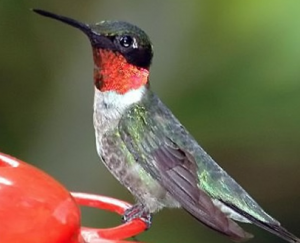
Cole’s Bird of the Month for July is … the Ruby-throated Hummingbird

July is a peak breeding month for the little creatures that average 3 to 3 3/4 inches long. This is also prime time for the young to be hatched. Although the breed is called, Ruby-throated hummingbirds, it’s just the males that have what appears to be a ruby-throat. The color isn’t actually from pigment. It appears red when the light hits it. The males and females have iridescent green backs.


Hummingbirds generally eat just enough to get by. They like the nectar from flowers or hummingbird feeders, but when feeding their young, they will occasionally snack on an insect or a spider. They need a lot of food for their high metabolism and fast-moving wings. So, they generally get just enough nutrition to make it through the night. But right before the hummingbirds migrate from the United States to South America and cross the entire Gulf of Mexico on a non-stop 18 to 20 hour flight, they need a lot more food.


You may have noticed even though hummingbirds are adorable, they are not social. They tend to be loners, and when they find a great food source, they will aggressively compete for it.

What Can You Do About Squirrels?

Bird feeder battles: Winning the war against squirrels

For bird lovers, the sight of a bushy tail hanging off the side of a feeder means just one thing: war.

Sure, squirrels have to eat, too, and no one wants to harm the persistent critters. But that doesn’t mean you have to put up with squirrels scarfing down the seed you put out for the birds, damaging your feeders and bumping up your blood pressure. It’s possible to discourage squirrels—and even outsmart them—with the right seed mix and some nature-friendly squirrel-control tactics.


Plant the seed

Birds, like people, are selective—even picky—when it comes to food. Seed is the best option to attract the most birds to your feeder. Unfortunately, squirrels also love seed. And while birds will sort through mixed seed to find what they like—and ditch the undesirable filler, like red milo, on the ground below the feeder—squirrels are not so picky. They’ll eat the cast-offs on the ground and then move on to the good stuff in the feeder, and devour that, too.

To entice birds, avoid brands that wash or coat seeds with chemicals and mineral oil. Look for brands manufactured by companies that focus on bird feed, like Cole’s, rather than treat it as a sideline business. Some feed mixes are full of cheap filler seeds, crop leftovers and the lowest quality oil sunflower. Cole’s uses only high quality seeds, and each blend is designed to attract specific groups of birds.

Taste aversion – serving seed that birds find delicious, but squirrels consider down right distasteful – is an effective way to keep squirrels out of bird feeders. Check out a seed blend that uses hot spicy flavor to repel squirrels. Cole’s offers “hot” products that are designed to appeal to birds while dissuading squirrels. Its Hot Meats blend infuses top-quality sunflower meats with a Habanero chili pepper and Safflower oil that birds find delectable, but squirrels simply detest. Or, you can opt to add Flaming Squirrel Seed Sauce to any Cole’s blend. It’s a safe, effective and human way to feed birds and thwart squirrels. You can learn more at www.coleswildbird.com.

Squirrel-proof your bird feeders

Another option is to try to make your feed less accessible to squirrels—although that can be hard to do since squirrels are smart problem-solvers. You may find the best results from a combination of methods, including:

* Locate feeders far from trees, wires, porches or other launching points to make it more difficult for squirrels to reach the feeder. Remember, squirrels can jump distances of 10 feet or longer. Mounting feeders on a smooth metal pole at least 6 feet high with no surrounding branches or bushes within 12 feet may also work.

* Place a wire cage around the feeder with openings just large enough to admit birds but too small for squirrels to fit through. This can also help keep larger birds, such as starlings or pigeons, from accessing the feeder.

* Try specially designed feeders that have doors which close when triggered by a squirrel’s weight on the feeder. The doors keep squirrels from reaching the seed. And if you’ve had plastic feeders gnawed to destruction by squirrels, try switching to metal which they’ll be less likely to chew through.

If you can’t beat ‘em …

Sometimes you just can’t win the war and the squirrels refuse to leave. Or maybe you have a soft spot for those fluffy-tailed felons. When you can’t convince squirrels to vacate your yard, another option is to serve them something they’ll find even more appealing than bird seed. If you can lure them away from your feed, squirrels can be an amusing addition to your backyard landscape.

Squirrels love whole, dried corn-on-the-cob and loose dried corn. Cole’s offers Critter Munchies, a blend of whole yellow corn, striped sunflower, peanuts in the shell, black oil sunflower and raw peanuts. Serve on an open platform-style feeder. Or place an ear of dried corn on a stick. A stake or pinecone can be coated with peanut butter.

Set up your squirrel feeding station away from bird feeders and make it as easy as possible for the squirrels to access their feeder filled with temptations like nuts, corn and berries.

If you can make peace with the squirrels, these intelligent characters and their antics can be a welcome sight in your backyard.


White Millet: Just Cheap Filler?

Fiction: White Millet is a cheap filler seed.

Fact: White Proso Millet is the number one choice of many ground-feeding birds like towhees, song sparrows, juncos, and buntings. The problem is that most commercial mixes contain more millet than anything else – a definite negative when put in a tubular or wooden feeder where perch feeding birds are looking for oil sunflower.  If all a sunflower-loving bird finds in a feeder is millet, it will tire of kicking out the millet and move on, leaving you with a feeder full of uneaten seed.
A good mix will contain just enough millet for the ground feeders to benefit from the perch feeders’ habit of kicking out the seeds they don’t like, but not so much that the perch feeders will become discouraged.  That way you attract a greater variety of wild birds both on and below the feeder. So, bottom line – a little millet is good, a lot of millet is bad.

No Such Thing as a No-Waste Birdseed?

Fiction: There are many “no waste, no mess” birdseed mixes available.

Fact: The only true “no waste” seed is sunflower meats (a.k.a. hulled sunflower). “No waste” means that the birds eat every part of the seed or mix so that there is nothing left over or “wasted”. So, any seed that has a shell, or any mix that contains seeds with shells, cannot by definition be “no waste” because the birds do not eat the birdseed shells. Some companies market their mixes as no waste/no mess products even though they contain Safflower (which has a shell), or Niger (also has a shell), or even Oil sunflower (complete with shell of course). Beware of these misleading advertisements or you’re sure to be disappointed when you have to clean up the leftovers.

Birds Won’t Survive Without Supplements?

Fiction: Wild birds need vitamin and mineral supplements added to their birdseed to help them survive

Fact: Most wild birds eat from a wide variety of food sources (insects, berries, seeds, etc.) which guarantees they get all the vitamins and minerals they need naturally. As long as your birdseed is fresh, high quality stuff like Cole’s, your feathered friends are sure to thrive.

Needless to say, real nutritional supplements are not harmful; however, the most common way for companies to add “vitamins” to their products is to simply coat it with mineral oil and add crushed rock.  Current regulations allow a manufacturer to list the nutritional components of mineral oil (iron, zinc) and crushed rock (Vitamin A, calcium carbonate) separately, which can make the birdseed ingredients look more impressive than they really are.  Adding mineral oil to birdseed also makes it look shiny and helps to hide dirt and dust, and of course the crushed rock adds weight to the final product.

Bird Seed Doesn’t Spoil?

Fiction:  Birdseed doesn’t go bad

Fact:  It is important to remember that all birdseed is perishable. Be sure and store any open product in a cool dry place away from direct sunlight to prevent the seed from drying out and little critters from finding it.

Cole’s is proud to feature Nitrogen Purged Barrier Packaging to ensure seed freshness and no bugs in every unopened bag. We use the same packaging technology employed by potato chip makers and fresh vegetable farmers to keep their products fresher longer. So you will never open a bag of Cole’s wild bird seed and find dried out seeds or pesky meal moths in it.

In the off chance your birdseed gets an Indian Meal Moth (a.k.a. pantry moth) or two after you open it, it is still okay to use. A few tiny insects will not decrease the attractiveness of the seed to the birds. After all, insects are a natural part of their regular diet.  If you find that these little creatures “bug” you, you can either put your seed in the freezer for 48 hours to kill them, or simply offer it up to your feathered friends in the backyard. They’ll thank you for the easy catch!